The Liberia Collateral Registry is an initiative of the Central Bank of Liberia (with the support of IFC/World Bank) to improve access to finance particularly for MSMEs. Read More
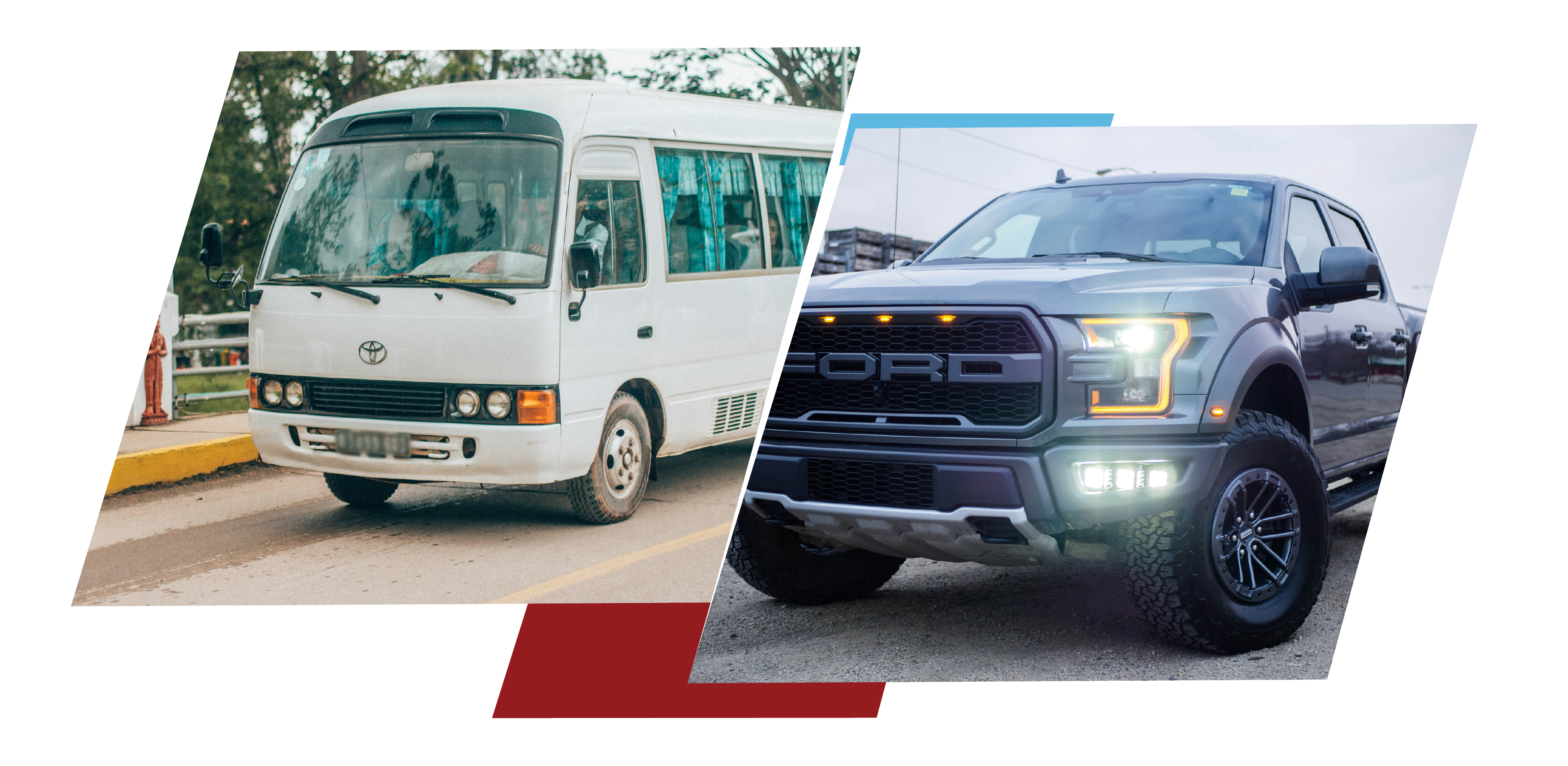
Motor vehicles, including cars, buses, trucks, and minibuses, may be used as collateral, whether presently owned or to be acquired, to secure a loan or credit facility.
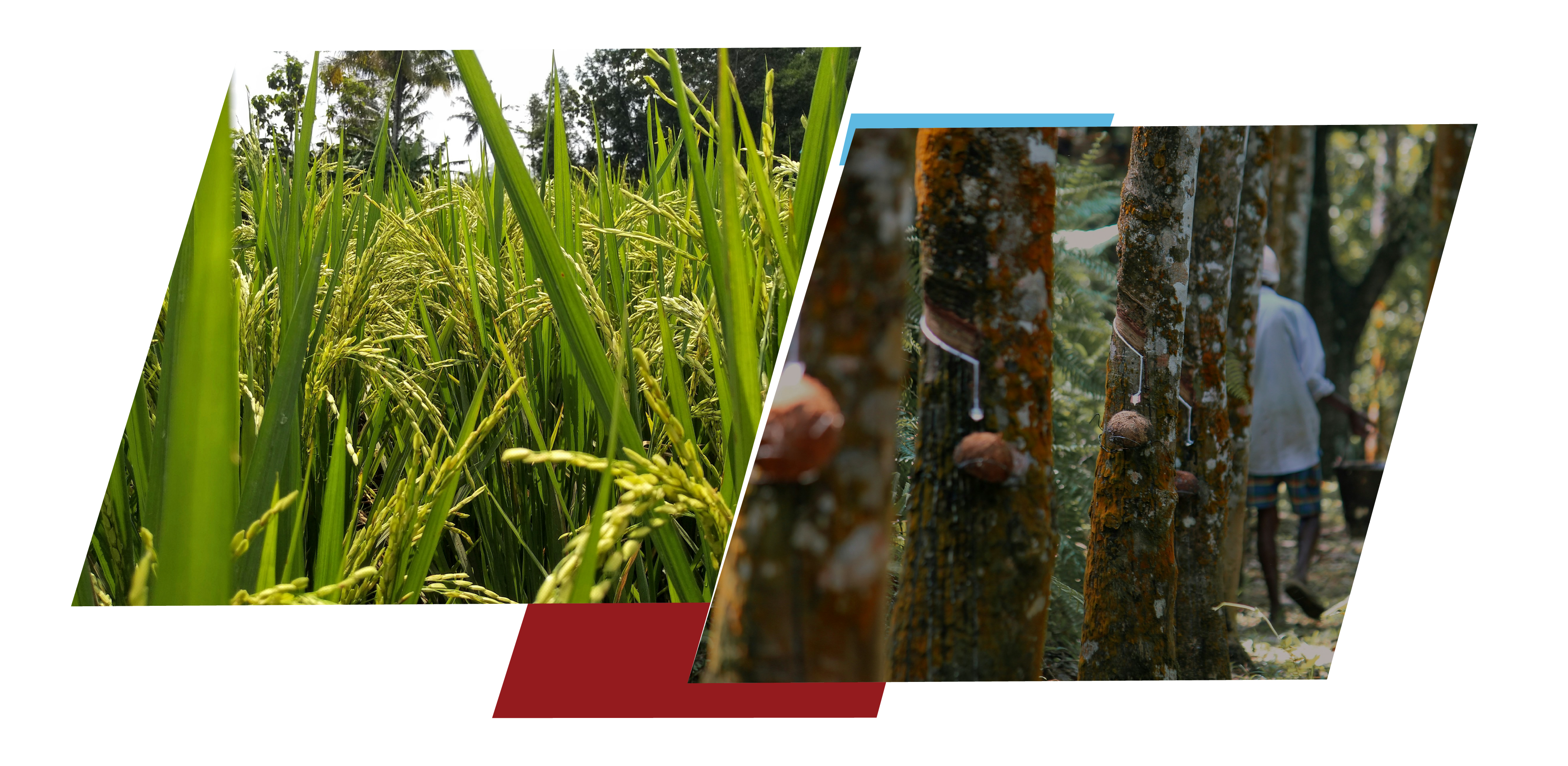
Yes. Farm products can be used as collateral. This includes agricultural outputs such as rice, rubber, cocoa, maize, and cassava whether grown, growing, or to be grown. It also covers seeds and other inputs or products associated with farming operations.
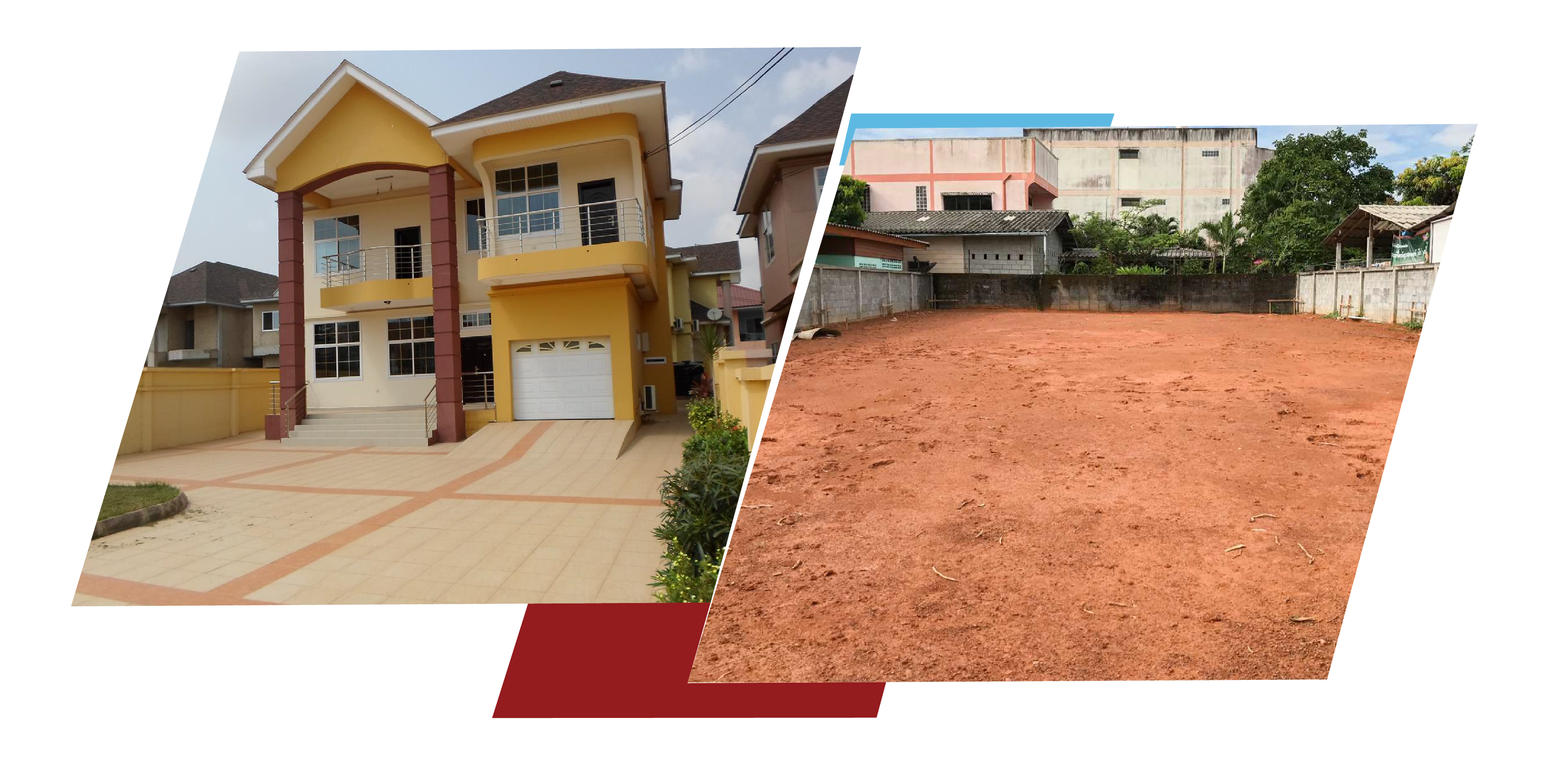
Real property refers to immovable assets such as land (whether covered by water or not), as well as land together with any buildings or structures on it. It also includes buildings that are either already owned by the borrower or intended to be acquired. These assets are suitable forms of collateral for securing loans and other credit facilities.
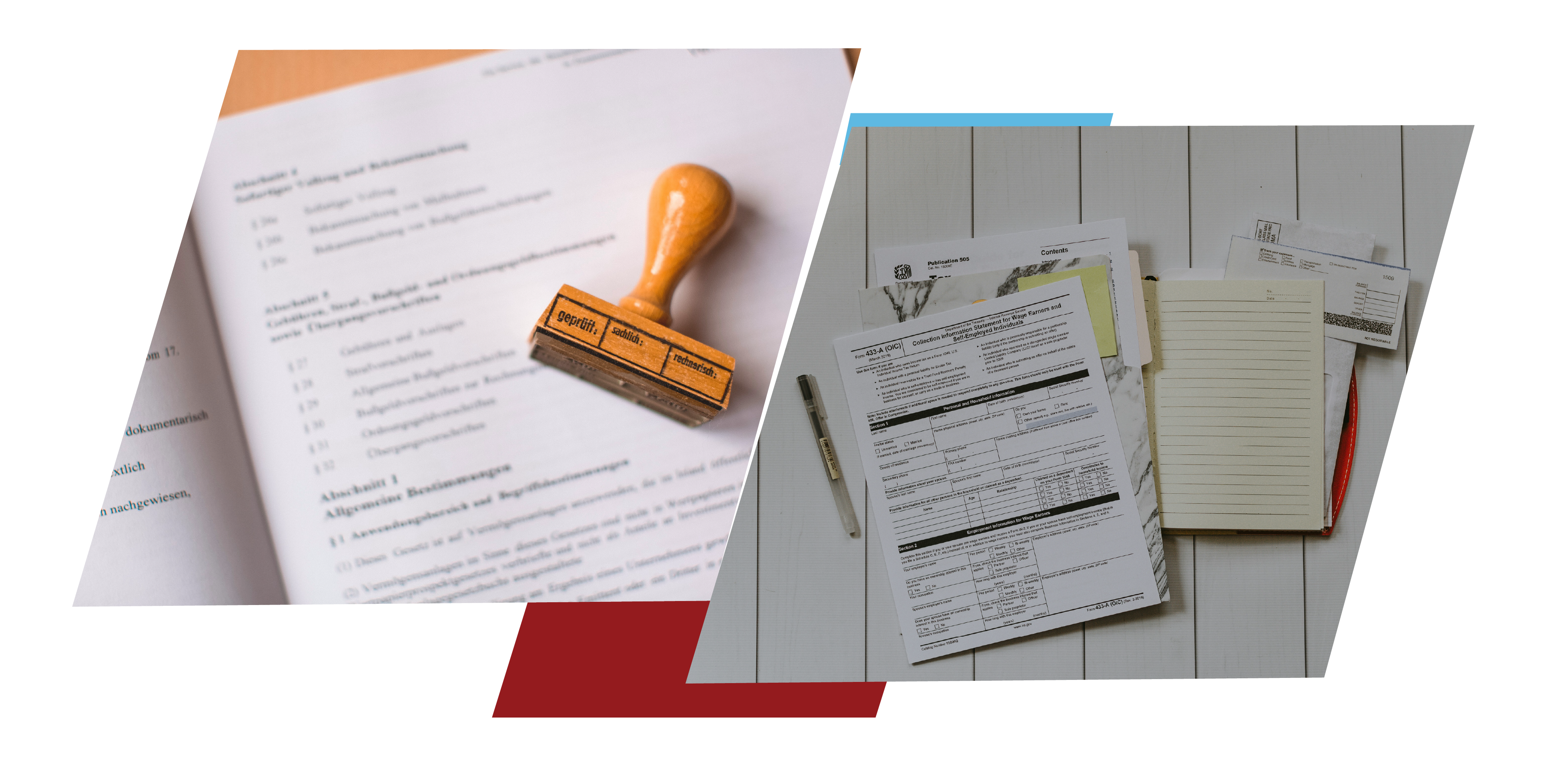
Any right to payment of a monetary obligation may be used as security for a loan or other credit facility. Receivables include, but are not limited to, trade receivables, invoices, contract receivables, rent receivables, loan repayments, and payments due from government or other entities.
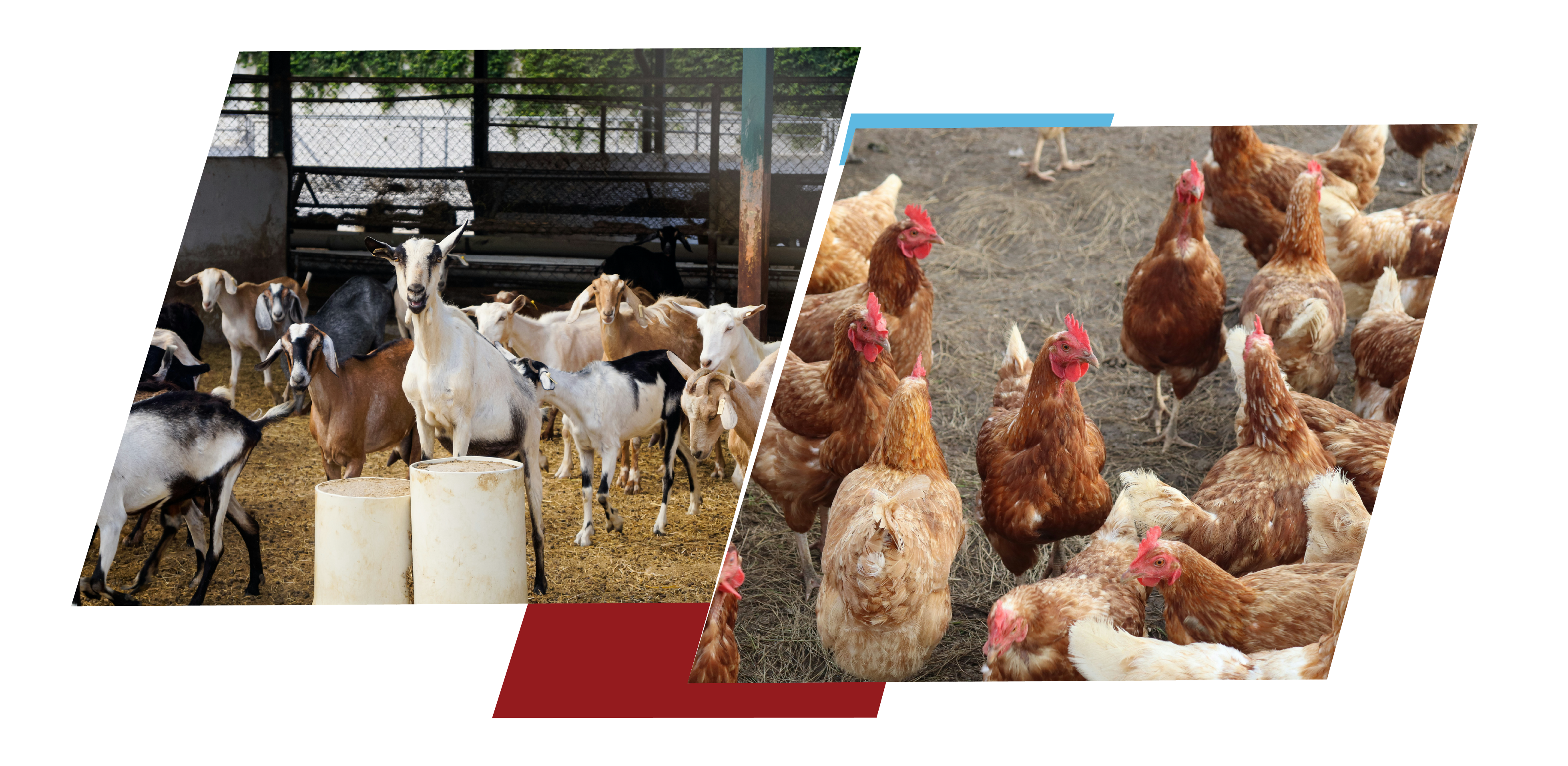
Livestock includes cattle, sheep, goats, poultry, fish, and other domesticated animals, whether born or unborn, together with their offspring and products. Livestock may constitute collateral whether presently owned by the debtor or to be acquired in the future, and may secure a loan or other credit facility.

Consumer or Household Goods means goods intended for personal, family, or household use. Such goods may include, but are not limited to, television sets, refrigerators, dining and lounge furniture, and electrical appliances such as laptops, computers, washing machines etc.
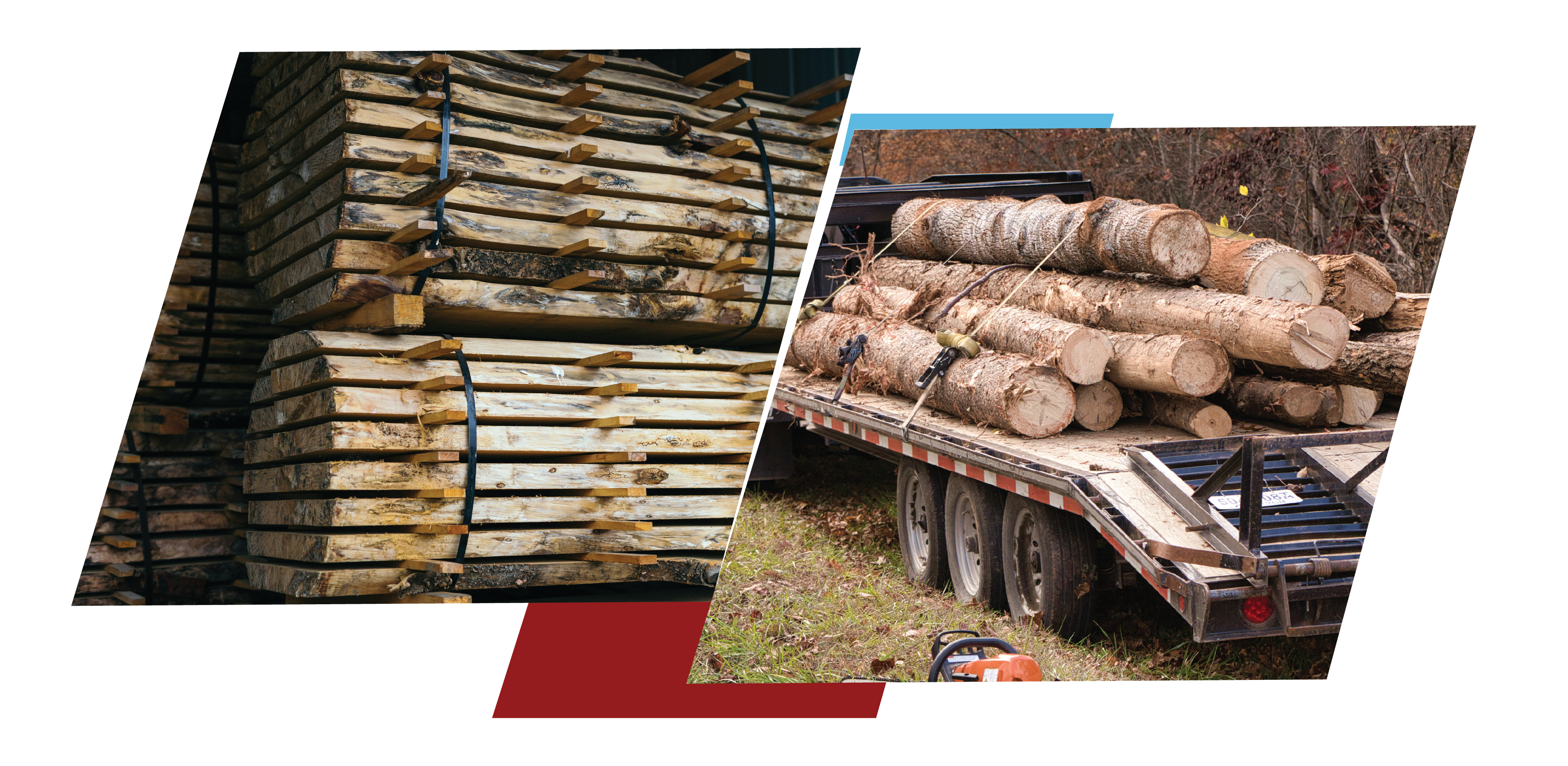
Timber and timber products such as plywood and treated poles whether already owned by the borrower or to be acquired, are assets that can be used as collateral to secure loans or other credit facilities.
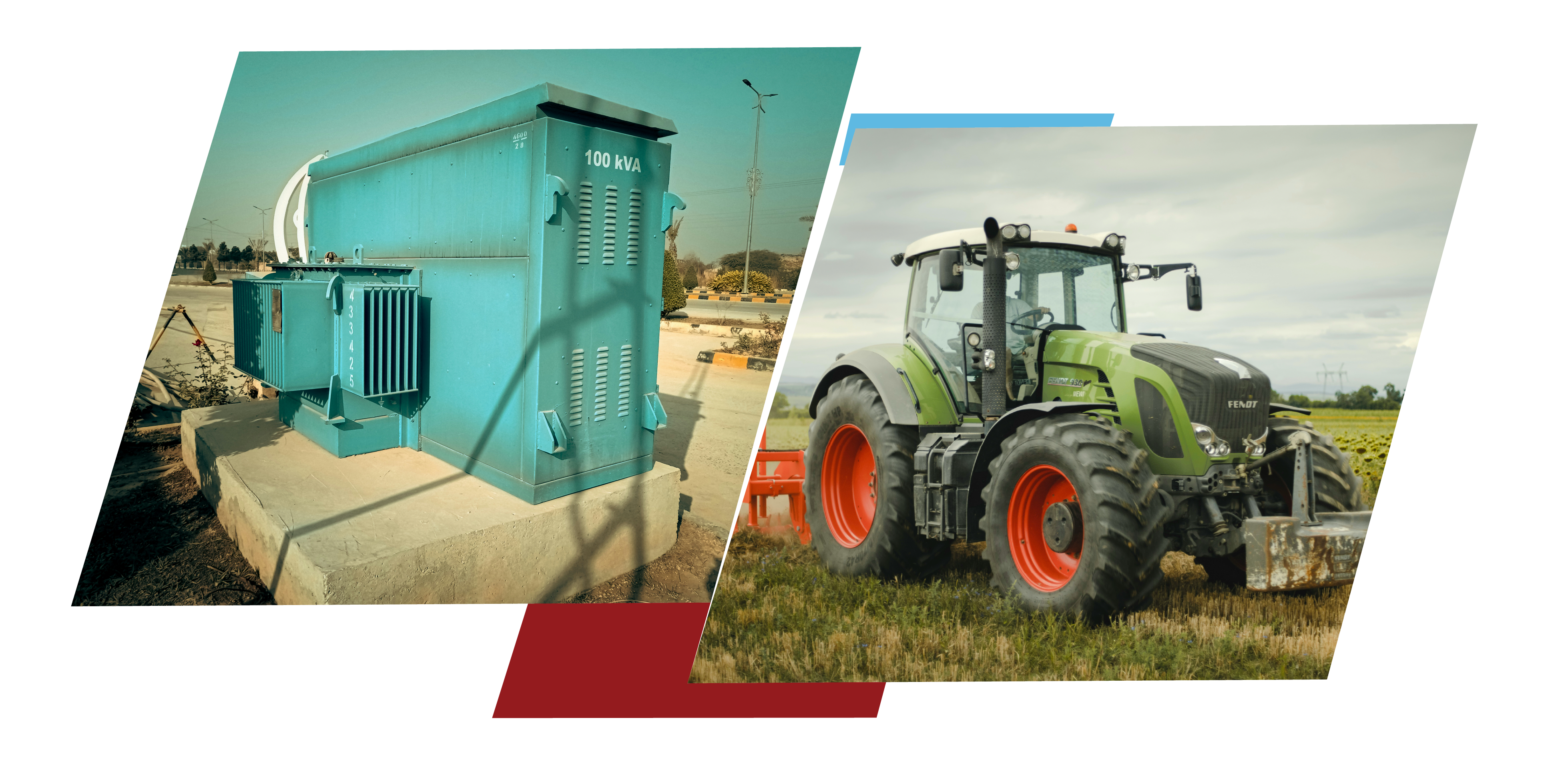
Machinery and equipment include manufacturing plants and machinery, trucks, generating sets, industrial plants, drilling rigs, forklifts, mining equipment, and other similar assets used for commercial, industrial, agricultural, or operational purposes may be used to secure a loan or other credit facility.